
What Happens to Your Estate If You Die First? Protecting Your Children in Blended Families
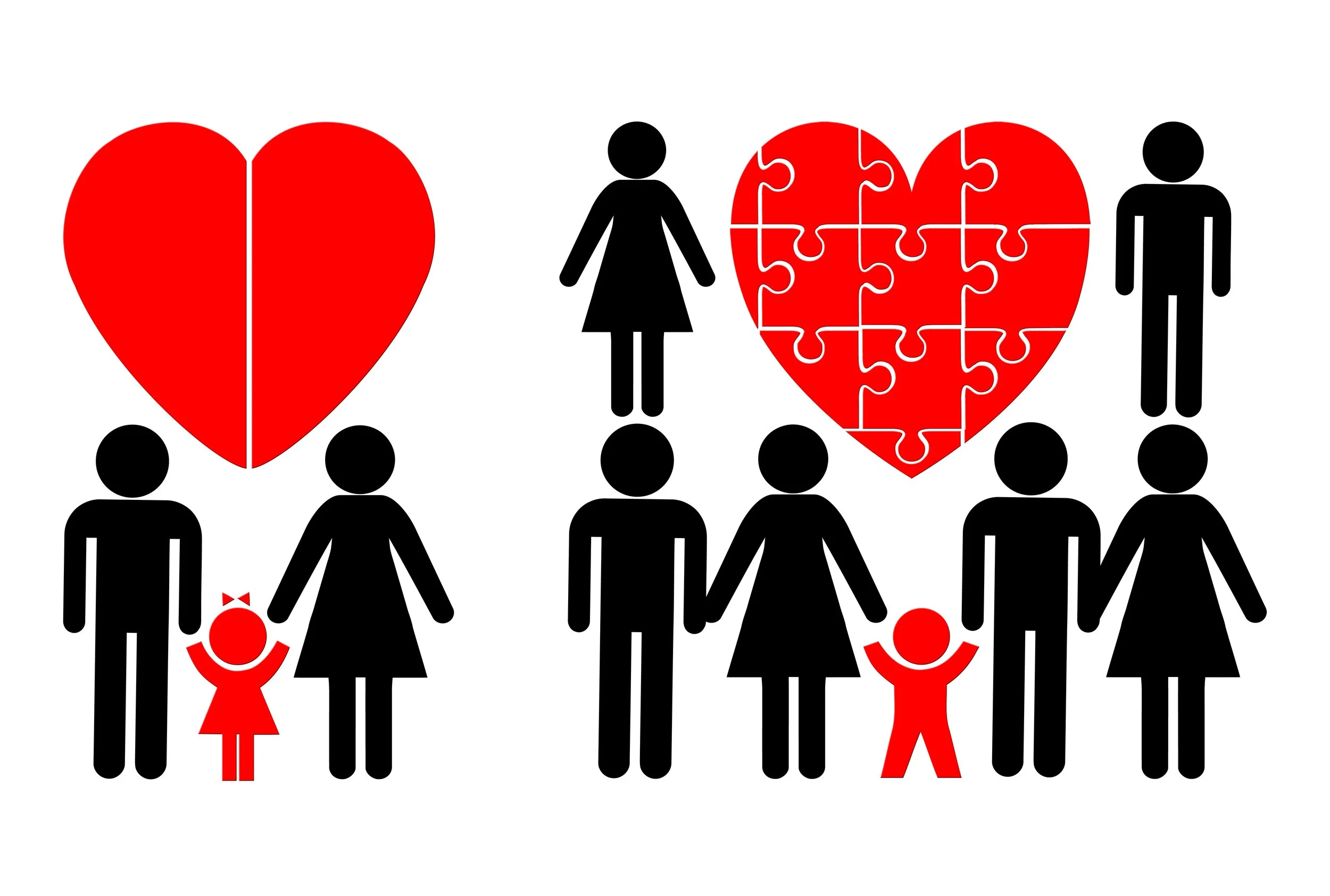
Estate planning can be complicated for any couple, but it becomes especially complex when there's a second marriage, a blended family, or a significant age gap between spouses. If you die first, what happens to your half of the estate? Will your children from a previous marriage be protected? Will your wishes be honored?
These aren't hypothetical concerns. They're real scenarios that play out in families every day, often with heartbreaking consequences. The good news is that with proper planning, you can protect your beneficiaries' inheritance even if you're the first spouse to die.
The Problem: When Plans Change After You're Gone
In a traditional estate plan for married couples, all of the assets typically pass to the surviving spouse when the first spouse dies. It's simple, and for many couples, it works perfectly well. The surviving spouse has full access to all assets and can manage the estate as needed.
But what happens if your surviving spouse remarries? What if they become vulnerable to undue influence? What if their priorities shift over time?
Here are three scenarios common scenarios we’ve seen in our practice:
Scenario One: The "Grown and Doing Fine" Problem
Bob and his first wife had two children together. When his first wife died, Bob remarried and had another set of much younger children with his new wife.
Years passed. Bob's older children grew up, established careers, and started families of their own. Meanwhile, Bob's younger children were still in school, still at home, still dependent on him.
When Bob created his estate plan, he decided to leave 80% of his assets to his younger children. His reasoning? The older children were "grown up and doing fine." They didn't need the money as much.
But here's what Bob didn't consider: his first wife contributed to building that estate. She worked, she saved, she sacrificed. And she would have wanted her children to receive their fair share—not to be largely disinherited because they happened to be born first.
Scenario Two: The "I Trust My Spouse" Dilemma
George and his first wife had two children. When his first wife died, George remarried. His new wife had two children of her own from a previous marriage.
George loved his new wife and wanted to provide for her. So he structured his estate plan to leave everything to her outright. He trusted that she would "do the right thing" and make sure his children were taken care of if he died first.
George died first. His widow lived many more years and lost touch with George’s children. When she updated her estate plan many years after George’s death, she left nothing to George's children from his first marriage.
George's first wife's children—her legacy—received nothing from the estate she helped build.
Scenario Three: The "Age Gap" Issue
Jane and her first husband had one child together. When her first husband died, Jane remarried a man who was 20 years younger than her. The new husband had no children of his own.
Jane created an estate plan that left all her assets in trust for her new husband, with the remainder going to her child after his death. It seemed fair—her husband would be provided for, and her child would eventually inherit.
But Jane didn't account for the math. Her new husband was 20 years younger. By the time her second husband passed away, Jane’s child was 65. The child waited decades to receive the inheritance from her mother’s estate—long past the years when it would have been most useful to her.
The Solution: Dividing the Estate When the First Spouse Dies
These scenarios are preventable with the right estate planning structure. One option is to divide the the community estate into two separate trusts when the first spouse dies:
The Survivor's Trust remains revocable and fully under the control of the surviving spouse. They have unfettered access to those funds and can change distribution provisions as needed. This provides flexibility and ensures the surviving spouse can adapt to changing circumstances.
The Decedent's Trust becomes irrevocable. This trust contains the deceased spouse's half of the estate. The surviving spouse may have limited access to funds for their needs, but they cannot change how those assets will ultimately be distributed.
This structure accomplishes several critical goals.
Ensuring Your Wishes Are Honored. The irrevocable decedent's trust ensures that your half of the community estate is distributed exactly how you want. Even if your spouse remarries, even if circumstances change, even if decades pass—your wishes remain legally binding. If you want your children to inherit your half of the estate, that's what will happen. Your spouse can't change those provisions, no matter what.
Protecting Against Remarriage Complications. If your surviving spouse remarries, the decedent's trust protects your children's inheritance. Your spouse's new partner has no claim to the assets in that trust, and your spouse cannot redirect those assets to benefit their new family at the expense of your children.This isn't about being distrustful or pessimistic. It's about acknowledging reality. People remarry. Priorities shift. New relationships and new children can change how someone thinks about their estate. The decedent's trust ensures that your half of the estate remains protected for your intended beneficiaries.
Guarding Against Undue Influence. As people age, they can become vulnerable to undue influence—from new spouses, from caregivers, from well-meaning friends, or even from their own children. An irrevocable decedent's trust protects your wishes from being altered during moments of vulnerability.Your spouse retains access to their own trust and can make whatever changes they want to their half of the estate. But your half remains secure, distributed according to your instructions.
This Is About Protection, Not Control
Creating a decedent's trust when the first spouse dies isn't about controlling your spouse from beyond the grave. It's about protecting the legacy you built together and ensuring that your children—especially children from a previous marriage—receive what you intended for them. Your surviving spouse still has substantial flexibility and resources through the survivor's trust. But your half of the estate is preserved for your beneficiaries, exactly as you wished.
This Structure May Not Work For Everyone
Although this sounds appealing, there are drawbacks to the two-trust option that many people consider deal breaker. First, you have to have a large enough estate to comfortably divided the estate. If your estate is modest, it won’t be practical to fund the Decedent’s Trust and also ensure that the surviving spouse has sufficient resources to live comfortably. Second, there are administrative tasks that some spouses find burdensome. Shortly after the death of the first spouse, the surviving spouse must consult with their estate planning attorney and (if applicable) their financial advisor and/or accountant to determine which assets to place in each trust and then transfer those assets into the trusts. The surviving spouse must also file a separate tax return for the decedent’s trust, which may have a higher income tax rate. Finally, for some couples, even though this structure isn’t about contol, it simply doesn’t feel like the right choice for their family.
If you're in a second marriage, have a blended family, or simply want to ensure your children are protected no matter what happens, it is a good idea to talk to an estate planning attorney about whether structuring your plan to include a decedent's trust makes sense for you.